
Recovery
Christopher Lloyd and Michael O’Keefe Look Back on Hollywood’s Cocaine Years
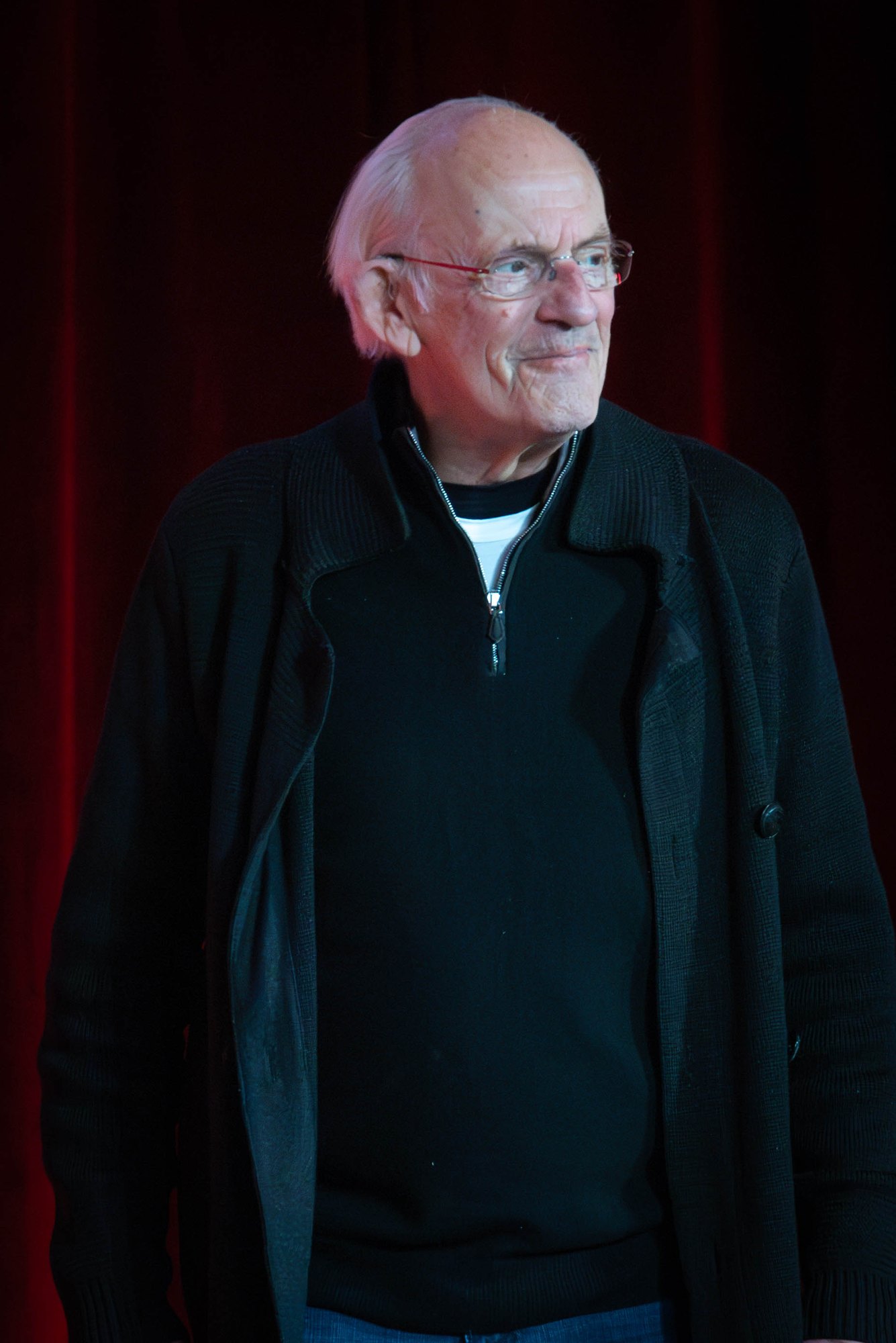
Lloyd’s new memoir traces a habit that began with “a couple of lines” in a nightclub parking lot and ended, eventually, after a stay at Sierra Tucson. O’Keefe says “Caddyshack” was the last time he touched the drug.
California Fried Journalist · November 4, 2026 · rehab
Two actors who worked through the late 1970s and early 1980s have, within weeks of each other, given unusually specific accounts of the cocaine that ran through the industry at the time.
Christopher Lloyd, 88, writes in his new memoir, “In My Own Time,” that his drug use began with a single invitation at a Los Angeles nightclub. “A young woman approached me and asked if I wanted to come out to her car and do a snort,” he wrote, according to Entertainment Weekly. “She meant cocaine, which at that point I had never tried. I hadn’t been out looking for it, but I said all right. We went out to her car and did a couple of lines. That was all it took. I was hooked almost immediately. I loved it, and that was where my cocaine abuse began.”
Within a couple of years of arriving in Los Angeles, he wrote, “cocaine, alcohol, and pot had become woven into my life in a serious way. It wasn’t just the occasional weekend indulgence. It got entrenched,” according to Fox News Digital.
Lloyd, best known as Reverend Jim Ignatowski on “Taxi” and as Doc Brown in the “Back to the Future” films, said he drew a line at work. He wrote that he never went on stage or in front of a camera high or drunk, because he knew he would lose control. Once the curtain came down or the director called a wrap, he wrote, “all bets were off.”
In 1993, his psychologist arranged for him to enter treatment in Arizona. Lloyd wrote that he was “completely wasted” when he boarded the plane and that he refused to stay at the first facility. “I bolted out of the place and, drunk and disoriented, ran straight into a barbed-wire fence that tore up my face and left me a bloody mess,” he wrote. He was later admitted to Sierra Tucson, where he stayed five weeks.
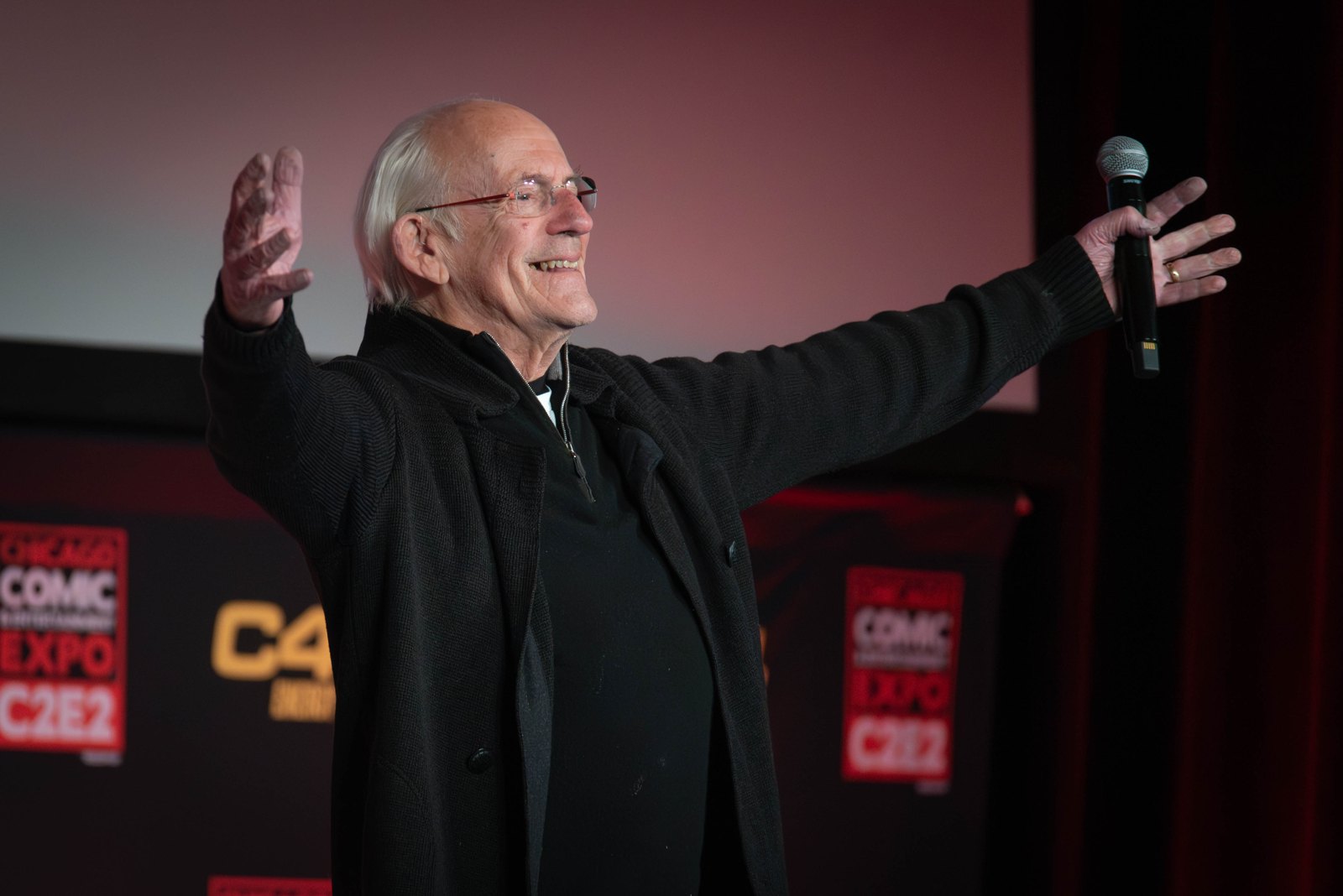
It was not the end of it. “That was the beginning, but not the end of it,” Lloyd wrote. “I relapsed a few times after that.” He wrote that he kept attending a private 12-step meeting for high-profile men, and that “some years later, on April 1,” he got sober “for what turned out to be the last time.” Fox News reported the passages from the book.
Lloyd talked through the memoir with his “Back to the Future” co-star Michael J. Fox in a conversation published by Interview Magazine on Oct. 26. Fox asked whether he had been drinking while playing Reverend Jim. “Sometimes,” Lloyd said. “It hadn’t gotten to be a big problem yet.” When Fox noted how private Lloyd has always been and asked whether it was hard to put the addiction on the page, Lloyd answered, “Yeah. I had a problem.” Fox replied, “Well, you recovered. We’re both in recovery.”
Michael O’Keefe’s account concerns a single production. O’Keefe, 71, played the caddie Danny Noonan in “Caddyshack,” which was shot over about 11 weeks in the fall of 1979 and released in 1980. He told Page Six in an interview published in early October that cocaine was common on the set and was even absorbed into the budget. “There was some miscellaneous item,” he said. “It was the ’70s. That’s what was happening back then. People were just treating it like it was toothpaste, and you had to do it twice a day to stay healthy.” No production records supporting a budget line have been published. The claim rests on O’Keefe’s recollection.
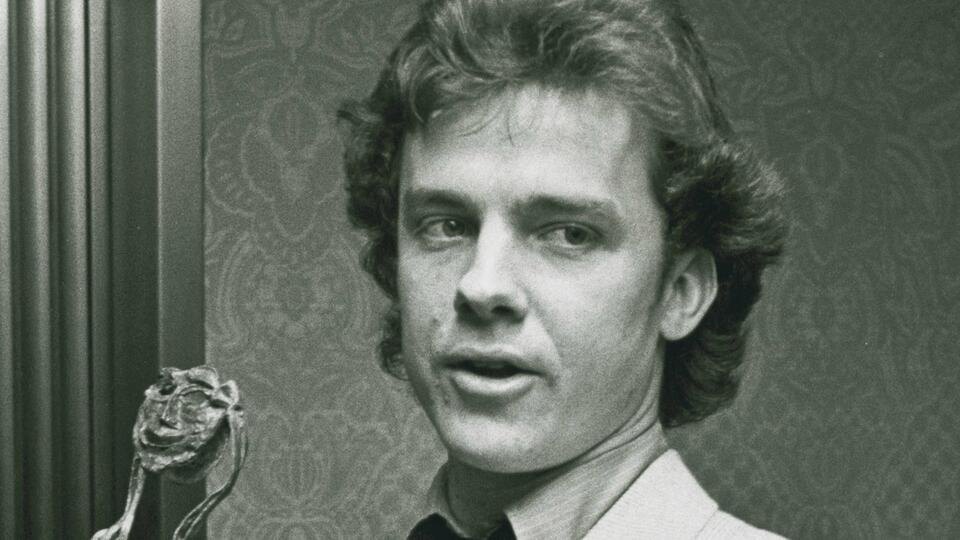
O’Keefe, who arrived on the film fresh from an Academy Award nomination for “The Great Santini,” said he used cocaine before some of his own scenes and is not happy watching them now. “But I can report to you that right after that movie, during that movie, was the last time I ever did anything like cocaine,” he said. “I realized that it was a terrible thing to get involved with, and like so many things in the drug world, it looked like fun, but in reality, it wasn’t.”
He pointed to Doug Kenney, the National Lampoon co-founder who co-wrote and produced “Caddyshack,” as the reason. Kenney died in 1980, at 33, after a fall from a cliff in Hawaii. Page Six described the death as a suicide. O’Keefe called Kenney “one of the most affable, intelligent, funny people in the world,” and said he “was strung out on cocaine, got depressed, and committed suicide. It was truly a result of drug addiction, and that was a huge wake-up call.”
O’Keefe has told a version of the story before. In a 2020 interview with Yahoo Entertainment, he repeated a line Kenney’s friends used: that Kenney did not commit suicide but “tripped and fell while he was looking for a place to commit suicide.”
Mark Groubert took the two stories back to back. On Lloyd, he observed that a celebrity memoir usually signals that there is something to confess, and he responded to the nightclub anecdote by remarking that this is how it starts for nearly everyone. He singled out the Arizona treatment center where Lloyd finally stayed. “Sierra Tucson, which I highly recommend,” he said. He added that, from what he had heard, Lloyd had been sober a long time.
The O’Keefe segment was personal for Groubert, who described Kenney as “one of my heroes at National Lampoon, one of the great editors of National Lampoon.” He said the circumstances of Kenney’s death are still disputed and repeated the familiar line about the cliff. He said he plans a full episode on Kenney.
Groubert said he had read before that cocaine was accounted for in the “Caddyshack” budget. He noted that the film was made just before the 1980s, the decade he said the drug truly took off. He also recalled O’Keefe’s earlier Oscar-nominated work and said O’Keefe had carried himself well on screen for a young actor.
Of Lloyd, Groubert said simply: “God bless Christopher Lloyd.”