
The counter
From the Smoke Shop Counter: A Nitrous Lawsuit and a Kratom Warning
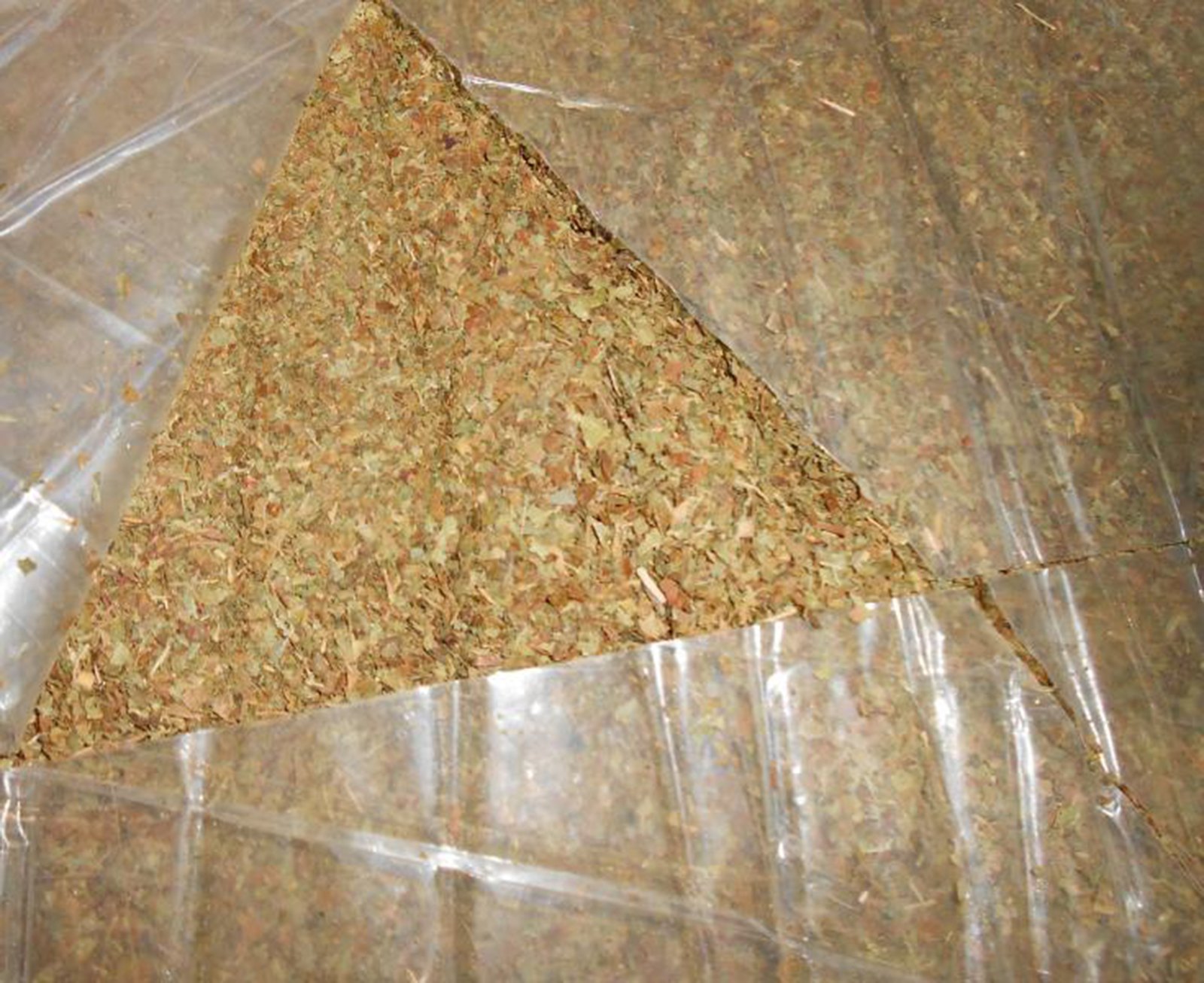
A California man says years of gas-station “whipped cream” chargers left him using a walker. A New York Times investigation describes wellness customers who became dependent on kratom within months.
California Fried Journalist · November 4, 2026 · rehab
Two of the most widely available intoxicants in the country are sold next to the energy drinks and rolling papers, and both turned up in the news in the same week.
In Los Angeles, a man who says he inhaled 2,000 to 4,000 grams of nitrous oxide a day has sued the companies that distributed it and the smoke shops that sold it to him. Days later, The New York Times reported on kratom makers marketing their products to gym-goers and podcast audiences, and on users who say they became addicted.
The nitrous suit, filed in Los Angeles Superior Court and first reported by the California Post, was brought by Austin Bacak. He says he began using nitrous oxide gradually in 2024 after buying it at his local smoke shop, where, the complaint says, the product “invites recreational use as an inhalant.” He bought canisters sold under names such as Galaxy Gas, Miami Magic and Massive Whip and used them daily, according to the suit.
“Nitrous Oxide at smoke shops have edgy names and bright colors that nod towards drug culture not the food industry,” the complaint says, according to the New York Post. It says a standard culinary charger holds 8 grams. Beginning in 2015, it alleges, distributors began packaging the gas in colorful containers 375 times larger and selling them at “establishments that cater to vices.” “Some canisters are packaged with a nozzle. There is no need for a nozzle when the nitrous oxide is used for standard culinary applications,” it says.
Bacak says he developed vitamin B-12 deficiency, numbness, neuropathy, demyelination, spinal degeneration and trouble walking. The suit names distributors Commerce Enterprises, Eavin Gas, Select Distributors, Yichun and Galaxy Gas, along with three Los Angeles smoke shops accused of negligence. “Retailer defendants had actual knowledge that its customers were purchasing nitrous oxide with the intent of using it as a recreational drug,” it alleges. Bacak is seeking a jury trial and compensatory damages, including medical costs and lost wages. The Post said it contacted the defendants for comment. None of the allegations has been tested in court.
The complaint cites figures showing nitrous oxide deaths doubled from 2019 to 2023 and that more than 12 million Americans 12 and older have misused the gas. California has moved against the large canisters. A law signed Sept. 18 bans the sale of containers larger than 8 grams, inhalation devices and flavored nitrous products, and in October the Los Angeles City Council made it a crime for tobacco, cigarette and cannabis retailers to sell or distribute nitrous oxide products, the Post reported.
The Times story, published Nov. 2, focused on kratom, a substance derived from the leaves of a tropical tree. It has long been used by people trying to get off opioids or alcohol and is now being pitched as a wellness product for energy, focus and athletic performance. Some makers have handed out free samples at gyms, sponsored sporting events and paid influencers and podcasters, the paper reported. One brand, MIT45, has sponsored the men’s division of the International Fitness and Bodybuilding Federation.
The Food and Drug Administration has not approved kratom for any medical use. Federal officials have moved to temporarily ban products with high levels of 7-hydroxymitragynine, or 7-OH, a concentrated derivative. They had planned to ban a semi-synthetic form called mitragynine pseudoindoxyl, or MGPI, but agreed to allow it at certain levels after industry lobbying, according to the Times. MGPI, which the paper described as an opioid, has been linked to at least 48 fatal overdoses. The drug remains widely sold in gas stations, smoke shops and online in much of the country, and some studies suggest 29 to 40 percent of regular users become dependent.
The Times profiled Hilary Tesluck, 30, who first tried kratom as an alternative to prescription anxiety medication and thought of it as a “life hack.” After about a year and a half of what she considered moderate use, she escalated, and at her peak was taking up to 100 capsules a day. She realized she was addicted when she ran out during a snowstorm and woke up drenched in sweat, aching and anxious. She later went through detox and now works for a nonprofit focused on kratom addiction.
Mark Groubert has covered nitrous oxide on earlier episodes and has spoken on air about his own past use of it. He took both stories as evidence of a problem he described as national, not local. Reading the Bacak complaint, he noted the gap between an 8-gram kitchen charger and the canisters on smoke-shop shelves, and he answered viewers who found the story funny by citing the lawsuit’s death statistics.
He called the Times piece a welcome surprise and said he had never seen the paper run an article like it. He compared kratom to the opioids it is often used to replace. “Kratom is in the opioid family and can be and is addictive,” he said. Asked by a viewer whether it makes people “psycho,” he said no, that it acts more like heroin and users nod out.
Groubert said the people he talks to in treatment are seeing it firsthand. “My reports from rehab are telling me from local rehabs that every single bed is filled with someone addicted to kratom at this point,” he said. He later explained his method: he treats the drug of choice listed at rehab admission as his measure of what is on the street, based on what owners and working counselors tell him. Those reports are his own and have not been independently confirmed.
He also shared a personal loss. He said a former girlfriend who used a lot of kratom drowned in a bathtub about three years ago in Tarzana after nodding off. He did not give further details, and the account could not be independently verified.
Groubert said he did not blame the gas stations, which he said simply stock what distributors bring them, but he called it insane that the product is still sold there. He rejected the idea that kratom is a question of personal liberty. “This is not a libertarian struggle,” he said. “This is a struggle for the hearts and minds of kids, of teenagers, before they get involved with this stuff.”
Kratom makers quoted by the Times defended their products. MIT45’s chief executive, Ryan Niddel, said they posed little risk when used as directed and that sponsored athletes were told to avoid health claims. Botanic Tonics, the parent of the Feel Free brand, said it now identifies kratom on its labels and advises people with a history of substance abuse not to use it.
If you or someone you know needs help with substance use, call the SAMHSA National Helpline at 1-800-662-4357.