
Sober home
State Closes Review of Sober Home Where Presley Gerber Died, Finds No Violations
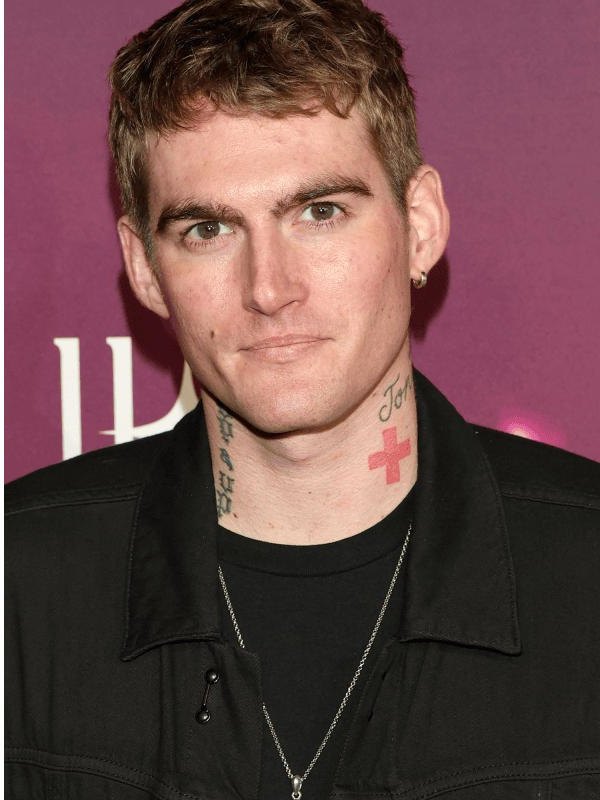
The Department of Health Care Services found that Resolutions Living, the Santa Monica home where Gerber died, was not providing treatment that required a license. Mark Groubert said regulators moved “pretty quick.”
California Fried Journalist · October 28, 2026 · rehab
California health regulators have closed a review of the Santa Monica sober living home where Presley Gerber died last month, saying they found nothing that required a state license and no violations.
The California Department of Health Care Services opened the review after a reform advocate with no connection to Gerber’s family filed a formal complaint about Resolutions Living, Page Six reported Oct. 22. The department said it received the complaint on Sept. 23, three days after Gerber, 27, was found dead at the home from a suspected overdose.

The complaint asked the state to determine whether the facility was operating “beyond the lawful scope of sober living” and whether it accepted Gerber when he needed a “higher level of care” than it could provide. It cited an earlier Page Six report that Gerber did not appear sober when he checked in. “That allegation raises extremely serious questions about his admission, screening, supervision, and level-of-care determination,” the complaint said, according to Page Six.
The department framed its inquiry narrowly. It “initiated a review solely to determine whether the program was providing any services that would require a state license,” a spokesperson told Page Six. “That review is now complete, and DHCS did not identify any activities that would constitute unlicensed substance use disorder treatment or otherwise require licensure. As such, no violations were found, and the matter is now closed.”
The state’s finding does not resolve how Gerber died. His death remains under police investigation. Santa Monica police said the day after his death that there was no indication of foul play, and the medical examiner has deferred a ruling on the cause and manner of death pending additional testing, USA Today reported.
Authorities were called to the home at about 9:35 a.m. on Sunday, Sept. 20, for a possible overdose, and dispatch audio described a person in cardiac arrest, according to USA Today. Gerber was pronounced dead. He had been admitted to Resolutions Living the day before, Page Six reported. USA Today described the admission as coming just hours before his death.
Resolutions Living is part of Resolutions Therapeutic Services and describes itself as “a leader in addiction and mental health support.” Page Six reported that the home is a $7.7 million property and that Dr. Reza Nabavi opened the facility in 2013. Page Six also reported that Nabavi had previously been denied a psychology license over his criminal history before he was ultimately able to register in December 2006. Nabavi and Resolutions Living did not respond to Page Six’s requests for comment.
Gerber was the son of supermodel Cindy Crawford and businessman Rande Gerber, and the brother of model Kaia Gerber. He had spoken publicly about his struggles with addiction and mental health. His family broke its silence on Oct. 18. “We feel so blessed to have had Presley in our lives for 27 years,” the family wrote. “He is a sweet, beautiful soul who loved and is loved, now and forever.”
Groubert said Gerber’s case is covered in his book “Rehab Nation.”
He used the segment to explain the distinction at the heart of the complaint. A licensed rehab, he said, has staff who check blood pressure and temperature, monitor patients and can call a doctor immediately if a patient’s condition changes. A sober living home is an unlicensed residence with no services inside it, where people typically go after completing treatment to live with others in recovery for a few months as they return to normal life. He compared it to the halfway houses used by the prison system.
Groubert was skeptical of how quickly the department reached its conclusion. “Pretty quick there by the department,” he said.
He offered his own theory of what happened, which he presented as a belief and which no published reporting has confirmed: that a licensed bed was not available, so Gerber was sent to the sober living home while he was under the influence. He said he did not know whether the family would pursue the matter, though he assumed it might.
If you or someone you know is struggling with substance use, SAMHSA’s free, confidential National Helpline is available 24 hours a day at 1-800-662-HELP (4357).